
Acupuncture in London
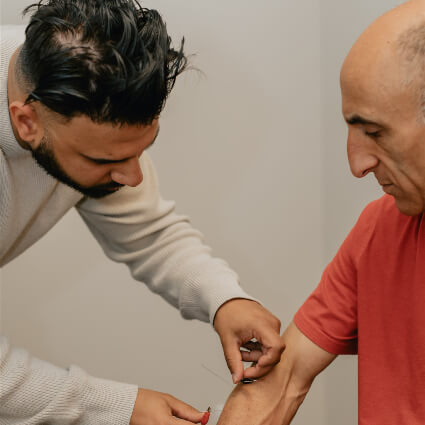
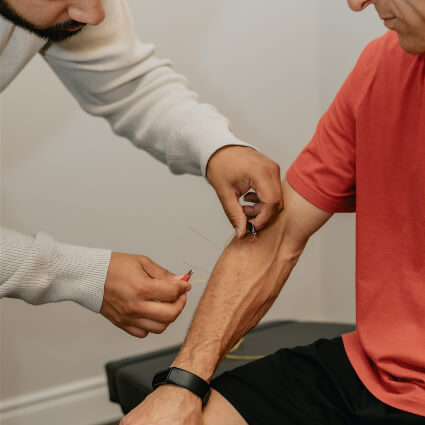
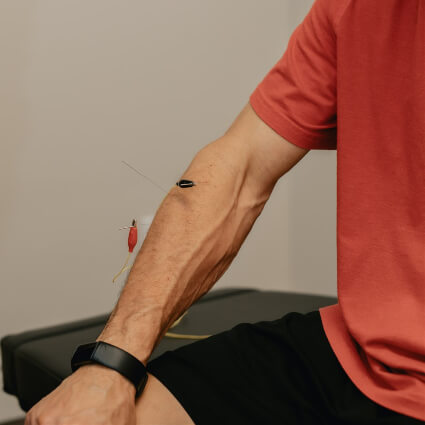
At Reset Chiropractic & Rehab, acupuncture is delivered through a functional, anatomy-based approach. Dr. Pileggi and Dr. Bali offer acupuncture as part of an integrated care model, using assessment-led, anatomy-guided needle placement to target the areas most connected to your symptoms, such as pain patterns, muscle tension, and movement restriction.
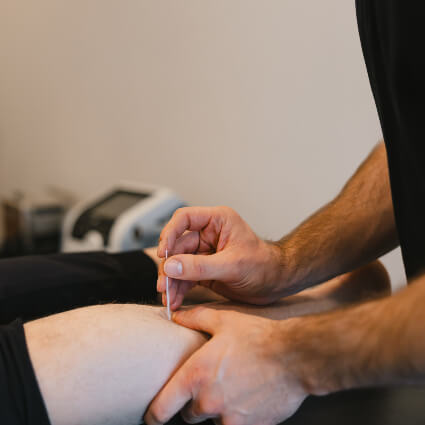
Acupuncture uses sterile, thin filament needles with no medication on them to target specific muscles, joints, and nerve-related pain pathways involved in your presentation. Rather than following a routine set of points, treatment is selected based on your pain pattern, movement testing, and the tissues that appear to be contributing to restriction or discomfort.
When placed in the right areas, acupuncture can create a local physiological response, including changes in tissue reactivity and circulation. Many patients notice this as reduced tightness and improved tolerance to movement, which can make it easier to stay active and follow a rehab plan as the area settles.
How Acupuncture May Help With Pain, Guarding, and Mobility
Acupuncture can help calm acute pain and muscle tension by changing how pain signals are processed and reducing protective guarding. When a body area is irritated, muscles often tighten to protect it. This guarding can reduce range of motion and keep pain stuck. By targeting these patterns, acupuncture may help release tension and support more comfortable movement.
Acupuncture may also support a localized tissue response that helps the area settle, particularly when paired with the right activity guidance and rehab exercises. This can be supportive for people who feel locked up, overly tense, or sensitive to movement.
Concerns Commonly Seen for Acupuncture
Our chiropractors commonly use acupuncture for issues where pain sensitivity and muscle tension are major drivers. Examples include the following:
- Headaches and migraines linked to neck and upper back tension
- Shoulder pain such as rotator cuff strain
- Hip osteoarthritis
- Golfer’s or tennis elbow
- Ankle sprains
- Achilles tendinopathy
- Sports injuries
- Sciatica-like symptoms
For migraines or new or changing symptoms, the clinic may recommend medical assessment when needed. Point selection is always based on assessment findings, not guesswork.
Acupuncture on Its Own or Combined With Other Services
Sometimes acupuncture is recommended as a stand-alone approach when the main issue is high pain sensitivity and muscle guarding. It can be a good starting point if movement is very painful or if the body feels highly tense.
In other cases, acupuncture is integrated with chiropractic care or physiotherapy. This is often recommended when the condition also requires joint mobility changes, hands-on mechanical work, and progressive rehab to build resilience and reduce recurrence. The decision is based on assessment findings, goals, and how you respond over time.
What Your First Acupuncture Visit May Look Like
Your first visit begins with a brief history and screening to identify anything that may change how treatment is delivered, such as bleeding risk, pregnancy, medical conditions, recent surgeries, or skin irritation. The provider will assess pain patterns and movement limitations, then choose needle locations based on the findings.
Most patients find the needles far more tolerable than expected because they are extremely thin compared to injection needles. You may feel a brief pinch or pressure at insertion, followed by sensations such as dull ache, heaviness, warmth, or release. You are always in control, and the plan can start gently with fewer needles if needed.
Frequency, Expectations, and Tracking Progress
For many acute issues, our team often recommends 6 to 8 sessions to achieve meaningful and stable improvement. Some people notice changes sooner, but planning is based on functional progress, not only short-term relief. Frequency is guided by severity, objective changes in range of motion, and practical benchmarks such as driving comfort, sitting and standing tolerance, walking, or returning to sport.
As symptoms settle and progress holds between visits, appointments are typically spaced out, and care may shift toward preventing recurrence through mobility work and rehab strategies.
Frequently Asked Questions
What is Functional Integrated or Biomedical Acupuncture?
How many sessions will I need?
I’m nervous about needles. What if I can’t handle it?
Discover a Different Way to Approach Pain & Recovery
If pain or tightness is limiting how you move, acupuncture can be a useful option on its own or as part of a broader plan. With assessment-led point selection and a comfort-first approach, many patients find it helps them move more freely and tolerate rehab more comfortably.
